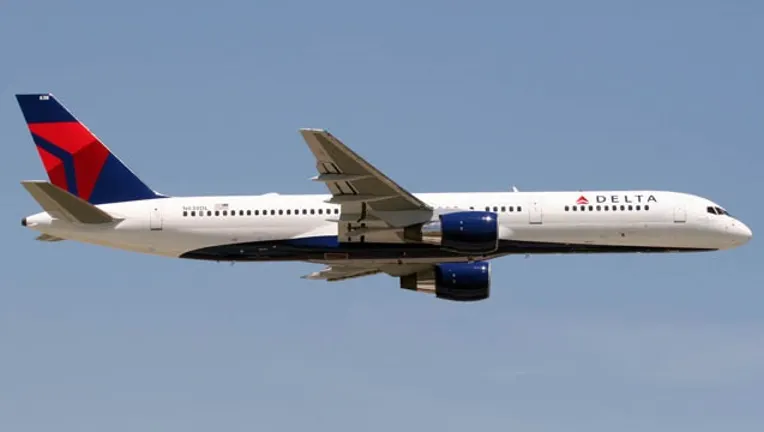
On May 19th, 2026, Delta Air Lines will stop serving food and beverages on shorter routes, take New York and Boston for example the flight is only 1 hour 20 minutes. This means that 9 percent of all flights on Delta airlines will not receive beverages on flights less than 300 aviation miles. However, this is not the case for Delta comfort and Delta Main passengers, they are receiving more food and beverage service than they did before May 19th. Fourteen percent of all passengers will be receiving more of a variety of beverages and food in result of the shorter flights not receiving food.

Industry analysts say that Spirit Airlines recent collapse could lead to higher fares for travelers, as the budget airline helped keep a lid on fares across the board. While economy travelers on these short hops will no longer receive free refreshments, those in First Class remain exempt and will continue to receive regardless of distance. Interestingly, Delta is simultaneously upgrading service on longer domestic flights; approximately 600 routes in the 350-to-500-mile range are shifting from limited express offerings to full beverage and snack service. Despite these upgrades, the removal of perks on short flights has sparked significant debate, with critics arguing that cutting basic refreshments like Biscoff cookies contradicts the carriers premium positioning.
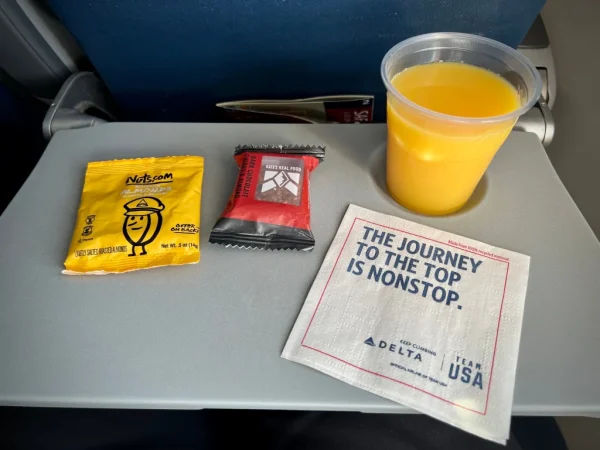
This policy shift is part of a broader “two-tier “service standardization effort intended to streamline operations. By eliminating the middle ground “Express Service”, Delta simplifies the workflow for flight attendants on short hops where the service window often as short as 15 minutes is notoriously difficult to manage safely. This operational efficiency also has environmental and financial benefits; reduced weight from onboarding catering supplies can lead to better fuel efficiency, a critical factor given that jet fuel prices have risen nearly 20 percent due to ongoing global conflicts.
However, the move has places Delta’s service standards among the most restrictive of major U.S carriers. While Delta’s new cutoff is 350 miles, United Airlines typically serves snacks on flights over 300 miles, and both American Airlines and Southwest maintain a 250 miles threshold. This discrepancy has led critics and travelers on platforms like Reddit and Instagram to argue that the change erodes the premium identity Delta has cultivated to justify higher prices. Despite the backlash, industry experts note that most passengers are unlikely to switch airlines over a single airlines over a single cookie. The public is extremely frustrated angry about this because many people feel like this undermines Delta’s image as a premium airline.