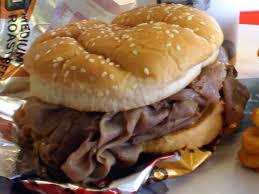
For decades fast food chain Arby’s has been scrutinized for the grotesque appearance of their food. The company’s reputation has been a source of comedy on the internet because of their foods unappetizing appearance. Even though Arby’s tries to stand out with its sliced meats and bold marketing, these strengths don’t always make up for the weakness that keep people from choosing it over other fast-food options.
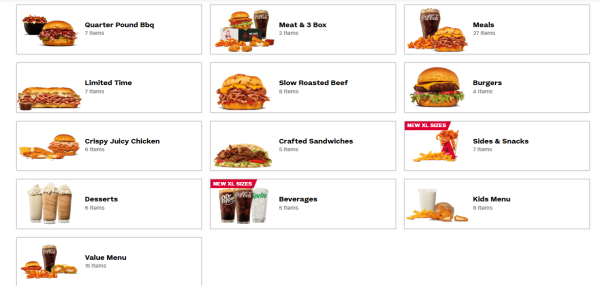
One issue is that Arby’s menu variety can feel more overwhelming than exciting. The chain advertises a wide range of meats, but not all of them are equally fresh or flavorful, and some sandwiches rely heavily on sauces to cover up dryness or uneven quality. Limited-time items come and go quickly, which can make the menu feel unstable rather than innovative. Another problem is price, Arby’s proportions are large, but the cost is often higher than similar fast-food meals. In 2026, when food prices are already rising everywhere, many customers feel Arby’s doesn’t off the best value. Paying more for a sandwich that doesn’t always meet expectations makes people question whether the chain is worth it.
Arby’s also struggles with consistency across locations. Some stores prepare sandwiches well, while others serve meals that look nothing like the ads. This inconsistency affects customer trust and makes the chain feel unreliable. Even improvements in digital ordering and drive-thru systems don’t fully fix the experience if the food quality varies so much. Lastly, Arby’s brand identity can be seen as a weakness. Their slogan, “we have the meats” style appeals to a specific group, but it limits the chain’s ability to attract new customers who want lighter, fresher, or more modern options. As fast-food trends shift toward healthier or more customizable meals, Arby’s risks feeling outdated.
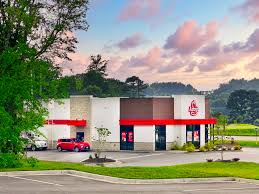
Another issue that hurts Arby’s in 2026 is its overall atmosphere and store experience. Many locations feel outdated, with interiors that haven’t been refreshed in years. This makes the restaurants seem less inviting compared to newer fast-food chains that focus on modern designs and cleaner layouts. Some customers also complain about slow service during busy hours, which adds to the frustration of paying higher prices. Even though Arby’s has tried to improve digital ordering, the in-store environment still feels behind the times. All of this makes the chain feel like it’s struggling to keep up with changing expectations.
In conclusion, Arby’s in 2026 has some good qualities, but its high prices, inconsistent food quality, and narrow appeal make it less impressive than it tries to appear. While loyal fans still enjoy it, many customers feel there are better, more reliable choices in the fast-food world. Honestly, I would give Arby’s a chance if they improved the actual quality of their food. I can excuse the lousy interior design and poor marketing, but it is hard to overlook genuine disgusting food, and for that reason, I cannot give Arby’s a second chance.