At first glance, ping pong or table tennis, looks simple, two paddles and a super light ball, and a table that is divided by a net. But behind all the setup, is one of the fastest and most strategic sports in the world. Played all over the world by more than 300 million people globally, ping pong combines reflexes, physics, and extreme mental focus and hand eye coordination.
Table tennis began in England in the late 1800’s as an indoor version of tennis. Players used books as nets and champagne corks as balls. By the 1920’s, the sport had become organized, and today it is governed by the international table tennis federation. The sport became an Olympic event in 1988, further proving its worldwide importance.
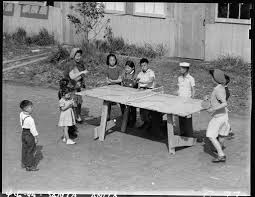
what makes ping pong interesting is its speed. The ball can travel 60 miles per hour, and players often only a few feet apart. Matches require quick rection times, often less than half a second to return a shot. Players also use spin to control the balls movement. By brushing the paddle across the ball, they create top spin, back spin, or sidespin, making the ball curve or bounce weirdly.
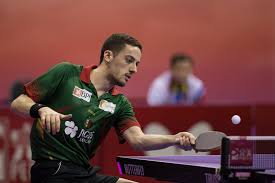
Ping pong had also played a surprising role in history, In 1971, “ping pong diplomacy” helped reopen relations between the United States and China when American players were invited to compete in Beijing. The friendly matches led to political talks and eventually President Richard Nixon historic visit to China.
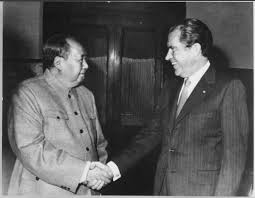
Beyond competition, ping pong offers major health benefits, It improves hand eye coordination, concentration, and reflexes. Because it is low impact, people of almost any age can play. Schools, community centers, and even offices keep tables because the sport is easy to learn and encourages social interaction.
Despite its casual reputation, ping pong is anything but easy. Professional players train for years to master technique, footwork, and strategy. The next time you see ping pong in a basement or gym, remember you’re looking at an Olympic sport that has influenced relations, science, and fitness all in one game.